
Table of Contents
Introduction
Many people search for onlyworkmoods com because the name sounds different and interesting. Some think it is a work tracking tool, while others believe it is a website that helps companies measure employee mood. When they open the search results, they often want a quick and clear answer about what the website actually is.
This guide is written to answer those questions in simple English. Instead of making guesses, we will explain what public information suggests, what kind of content readers may find, why people search for the site, and how to browse similar websites safely. By the end of this article, you will have a better understanding of the topic and know what to expect before visiting the website.
What Is onlyworkmoods com?
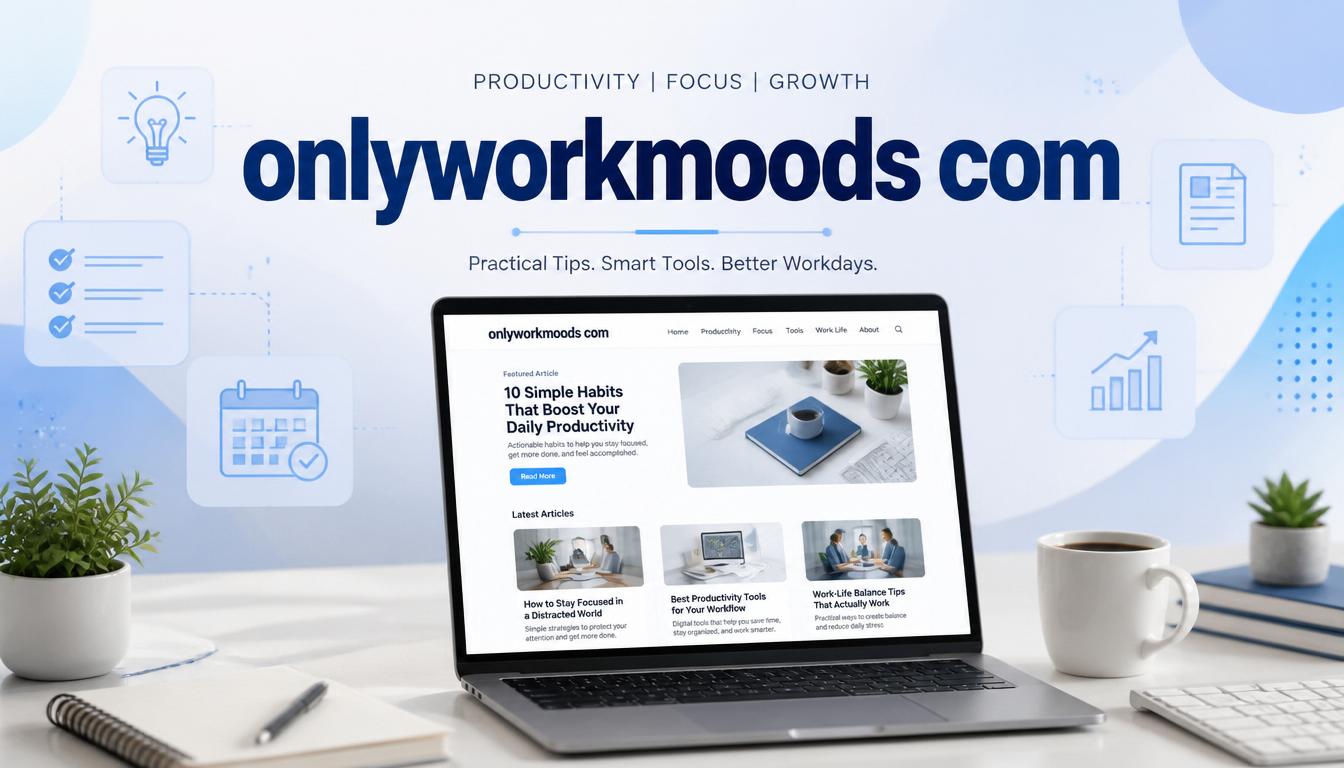
When people first hear the name onlyworkmoods com, they often imagine a modern workplace application. The words “work” and “moods” make it sound like a platform that helps businesses measure employee happiness or monitor team performance. However, based on publicly available information, the website appears to be an informational blog rather than a software platform. Its purpose seems to be sharing articles instead of offering interactive workplace tools.
The website focuses on written content that readers can browse freely. Instead of providing dashboards, reports, or advanced tracking systems, it appears to publish articles covering different everyday topics. These articles are written in a simple style so that most readers can understand them without needing special knowledge. This makes the website suitable for people who enjoy reading short guides rather than using complicated online software.
Another important point is understanding the difference between a content website and an online tool. A content website mainly provides information through articles, guides, and blog posts. Readers visit the site, read the content, and leave after finding the information they need. A software tool, on the other hand, usually requires user accounts, settings, saved data, and interactive features. Knowing this difference helps people avoid confusion before they visit a website.
Imagine someone searching for advice about improving their work routine. They may find an article discussing productivity habits, better time management, or ways to stay focused during the workday. Instead of filling out forms or tracking daily emotions, they simply read helpful information. This is the experience most readers should expect from a general information blog. It offers ideas and learning opportunities rather than workplace management services.
It is also helpful to remember that websites can change over time. New categories, designs, or features may be added in the future. Because of this, it is always a good idea to look around the website yourself and decide whether the information matches your needs. Reading carefully and checking when articles were published can also help you judge whether the content is current and useful.
The biggest takeaway is that people should not assume a website’s purpose simply by its name. Many websites have creative names that do not fully explain what they do. Taking a few minutes to understand the site’s content can save time and help you find the information you are actually looking for.
What Kind of Content Can You Expect to Find?
One reason people become curious about onlyworkmoods com is that it appears to cover several different topics instead of focusing on only one subject. Multi-topic blogs are common today because they allow readers to explore different interests without leaving the same website. Instead of creating separate websites for every subject, publishers often organize many categories under one platform.
Career and workplace topics are among the subjects readers may come across. These articles often discuss simple ideas such as staying organized, improving daily work habits, managing time wisely, and building better communication skills. Rather than offering professional training, the content is generally written as friendly advice that anyone can understand. This makes it useful for students, beginners, and office workers looking for quick reading material.
Technology is another area that may appear on the website. Instead of explaining highly technical subjects, these articles usually introduce common digital topics in easy language. Readers may find beginner-friendly explanations about online tools, internet trends, digital safety, or simple technology updates. Easy wording helps people learn without feeling overwhelmed by technical terms.
Lifestyle articles may also be included. These often focus on everyday routines, healthy habits, motivation, personal growth, and finding balance between work and personal life. Many readers enjoy this type of content because it connects practical advice with daily experiences. For example, an article may explain how creating a morning routine can improve productivity or why taking short breaks during work helps maintain focus.
The variety of topics is one reason why readers may stay longer on a website. Someone who visits for a productivity article might later read about technology, health, or online trends. This creates a better reading experience because different interests are available in one place. Well-organized categories also make it easier for visitors to discover new information without searching again.
As with any informational website, readers should think of the articles as educational guidance rather than professional advice. If a topic involves health, legal matters, or financial decisions, it is always wise to consult qualified experts before making important choices. Informational blogs work best when they introduce ideas, encourage learning, and help readers explore subjects more confidently.
Why Do So Many People Search for onlyworkmoods com?
Every day, people search for unusual website names because they want to know whether a website is trustworthy, useful, or worth visiting. The name onlyworkmoods com naturally creates curiosity because it sounds different from many other websites. Some users discover the name through search engines, while others see it mentioned in online discussions or related articles. Before clicking an unfamiliar website, many people prefer to understand what they will find.
One common reason behind these searches is confusion about the website’s purpose. The name may suggest an employee mood tracker, workplace wellness platform, or business management system. When visitors cannot immediately tell what a website offers, they often search for reviews or explanations first. This behavior is becoming more common as internet users try to avoid wasting time on websites that do not match their needs.
Another reason is simple online safety. Modern internet users are becoming more careful about where they spend their time and what websites they trust. Before entering personal information or creating an account anywhere, many people look for background information. They want to know whether a website appears legitimate, whether it provides valuable content, and whether other readers have found it useful. Even when a website only offers articles, researching it first gives users more confidence.
Search engines also influence user curiosity. When people notice an unfamiliar domain appearing in search results, they often wonder why it ranks for certain topics. They may click an explanation article to understand the website instead of visiting the domain immediately. This is especially true for websites with unique names that do not clearly describe their purpose.
Real-life browsing habits provide a good example. Imagine someone searching for productivity tips before starting a new job. During their search, they notice an unfamiliar website name. Instead of opening it right away, they first search the website’s name to learn more. After reading an overview like this one, they can decide whether the website is likely to provide the type of information they need.
In the end, curiosity is completely normal. The internet contains millions of websites, and learning about them before visiting is a smart habit. Taking a few extra minutes to understand a website’s purpose can help readers save time, stay safe online, and find better information that truly matches their interests.
How to Use onlyworkmoods com Effectively for Learning
Reading online articles is one of the easiest ways to learn something new every day. If you visit onlyworkmoods com, the best approach is to treat it as a place for general information instead of expecting professional tools or advanced training. Many readers make the mistake of opening every article they see. A smarter method is to search for topics that match your interests and focus only on the content that is helpful to you.
Before spending time on any article, quickly read the title and headings. Good headings usually tell you what the article will discuss. If the topic matches your question, continue reading. If not, move to another article that better fits your needs. This simple habit saves time and helps you find useful information much faster. Many experienced readers use this method every day because it improves both learning and productivity.
Taking small notes while reading can also be helpful. You do not need to write everything down. Instead, note one or two important ideas that you can remember later. For example, if an article shares three simple ways to stay focused at work, you could write those points in a notebook or save them in a notes app. Reviewing these notes later makes it easier to apply what you have learned in real life.
A real-life example is a student preparing for an internship. The student may read articles about workplace communication, time management, and productivity. Instead of memorizing every sentence, they can choose one useful tip from each article and practice it during their daily routine. Small improvements often create better long-term habits than trying to change everything at once.
It is also important to compare information with other trusted sources. Reading different viewpoints gives you a broader understanding of a topic. If several reliable websites explain similar ideas, you can feel more confident that the information is accurate. This habit also helps you recognize outdated or incomplete advice.
Finally, remember that every reader has different goals. Some people visit websites simply to satisfy their curiosity, while others want practical ideas they can use immediately. By choosing articles carefully, reading actively, and applying useful tips, you can make the most of your learning experience and avoid wasting time on information that does not meet your needs.
How to Tell If a Website Is Trustworthy
Not every website on the internet provides reliable information. Before believing what you read, it is always a good idea to check whether the website appears trustworthy. This is an important digital skill that helps you avoid false information and make better decisions online. Whether you visit onlyworkmoods com or any other website, using a few simple checks can improve your online experience.
Start by looking at the quality of the articles. Helpful websites usually explain topics clearly and answer common questions without using confusing language. Well-written articles are organized with headings, short paragraphs, and useful examples. They focus on helping readers instead of filling the page with repeated keywords or unnecessary information.
Next, check whether the website updates its content regularly. Fresh articles often provide more useful information than pages that have not been updated for many years. While older articles can still be valuable, recently updated content may better reflect current trends, technology, or online practices. Looking at publication dates can help you understand how current the information is.
Another important step is checking whether the website separates facts from opinions. Good articles explain what is known, what is uncertain, and what is based on personal advice. They avoid making strong claims without evidence. This approach builds trust because readers know they are receiving balanced information instead of exaggerated promises.
For example, imagine you are reading about improving workplace productivity. A trustworthy article might explain simple habits such as planning your day, reducing distractions, and taking regular breaks. It would not promise that these tips will guarantee success or instantly improve your career. Honest advice usually focuses on practical improvements instead of unrealistic results.
You should also be careful when sharing personal information online. If a website asks for sensitive details without a clear reason, think carefully before providing them. Strong passwords, secure internet connections, and careful browsing habits all help protect your privacy while exploring different websites.
Learning to judge website quality is one of the most valuable internet skills. The more carefully you evaluate online information, the easier it becomes to find reliable sources and avoid misleading content. This habit benefits students, professionals, and everyday readers alike.
Helpful Tips for Getting the Most Value from Online Information
Finding useful information online is easier when you know how to read efficiently. Instead of spending hours browsing random articles, you can develop habits that help you learn faster and remember more. Whether you visit onlyworkmoods com or another informational website, these simple strategies can improve your overall reading experience.
Read With a Clear Goal
Before opening an article, ask yourself what you want to learn. Having a clear goal helps you stay focused and prevents you from getting distracted by unrelated topics.
Helpful ideas include:
- Read only articles related to your question.
- Skip sections that do not match your needs.
- Save useful pages for future reference.
- Take short notes while reading.
- Review important points after finishing the article.
These small habits make learning more organized and enjoyable.
Build Good Digital Reading Habits
Good readers do more than simply finish articles. They compare information, think about what they read, and apply useful ideas in everyday life. This helps turn information into practical knowledge.
Here are some useful habits:
- Compare advice from multiple trusted sources.
- Check publication dates whenever possible.
- Be careful with sensational headlines.
- Avoid believing everything without thinking critically.
- Share helpful information only after verifying it.
A good example is someone learning about workplace productivity. Instead of reading ten different articles in one sitting, they might read one high-quality guide, practice one suggestion during the week, and then return later to learn something new. This gradual approach often produces better results than trying to absorb too much information at once.
The internet offers endless opportunities to learn new skills, discover fresh ideas, and improve everyday life. By reading carefully, thinking critically, and focusing on trustworthy information, you can make every online reading session more valuable. These simple habits will continue helping you long after you leave any single website.
Common Mistakes to Avoid When Visiting Informational Websites
The internet is full of websites that share articles about work, technology, health, lifestyle, and many other topics. While many of these websites are helpful, readers should avoid making quick assumptions based only on a website’s name or appearance. Whether you visit onlyworkmoods com or another informational site, taking a few extra minutes to evaluate the content can help you make better decisions and avoid confusion.
Many people expect every website to provide expert advice or official services. In reality, many websites are simply designed to share general information. Their articles may introduce a topic, explain basic ideas, or provide simple tips. This does not mean the information is wrong, but it does mean readers should understand its purpose. A general blog is different from a government website, an educational institution, or a professional consulting service.
Check Before You Trust
Before relying on information, spend a little time reviewing the website carefully.
Helpful habits include:
- Read the full article instead of only the headline.
- Compare information with other trusted sources.
- Look for recent publication dates.
- Avoid believing claims that sound too good to be true.
- Understand whether the article offers facts, opinions, or general guidance.
These simple steps help you become a smarter internet user.
Build Better Online Reading Habits
Developing good reading habits improves both learning and online safety.
Useful practices include:
- Bookmark articles you find valuable.
- Ignore misleading or exaggerated headlines.
- Stay curious and continue learning.
- Protect your personal information online.
- Think critically before sharing information with others.
A good reader is not someone who reads the most articles. Instead, it is someone who reads carefully, understands the information, and applies useful ideas in daily life. By following these habits, you can enjoy online content while avoiding common mistakes that many internet users make.
Conclusion
Finding information about onlyworkmoods com becomes much easier once you understand what people are actually searching for. Based on publicly available information, it appears to function as an informational website where readers can explore articles on workplace topics, productivity, technology, lifestyle, and other everyday subjects. Instead of expecting interactive software or employee tracking features, visitors should approach it as a place for reading and learning.
The most important takeaway is to browse every website with curiosity and good judgment. Read carefully, compare information from trusted sources, and apply only the advice that fits your own situation. Building strong digital reading habits will help you learn faster, stay safer online, and make better decisions whenever you explore new websites.
FAQS
Q: What is onlyworkmoods com?
A: It appears to be an informational website that publishes articles on workplace topics, productivity, technology, and general lifestyle subjects.
Q: Is onlyworkmoods com a software tool?
A: Based on publicly available information, it appears to be a content website rather than an interactive software platform.
Q: Why do people search for onlyworkmoods com?
A: Many people are curious about the website because its name sounds like a workplace management or mood-tracking tool.
Q: Is the website suitable for beginners?
A: Yes. The articles are generally written in simple language that is easy for most readers to understand.
Q: Should I trust everything I read online?
A: No. Always compare information with other reliable sources and think critically before accepting or sharing it.
Q: How can I get the most value from informational websites?
A: Read with a clear purpose, take notes on useful ideas, compare multiple sources, and apply practical tips that match your needs.