
Table of Contents
YourJournalCenter Com Explained
yourjournalcenter com has become a topic of growing interest among people looking for reliable online information. As more websites compete for attention, readers are searching for platforms that offer useful articles, clear explanations, and trustworthy content. Instead of relying on random sources, many users prefer websites that organize information in a way that is easy to understand and practical to use.
Finding accurate information online is not always simple. Thousands of websites publish content every day, but not all of them maintain strong editorial standards. Therefore, readers often spend extra time checking facts and comparing multiple sources. A platform that focuses on informative and reader-friendly content can make this process much easier.
The internet has transformed how people learn about business, technology, health, education, and lifestyle topics. Furthermore, digital publications now play an important role in helping readers stay informed about current developments. Whether someone is researching a new topic or simply exploring useful knowledge, quality information remains essential.
A growing number of independent online publications are trying to fill this need by combining educational resources with responsible reporting. Readers expect more than attractive headlines. They want articles that explain concepts clearly, present balanced viewpoints, and encourage informed decision-making. This shift has increased the value of websites that emphasize credibility instead of sensationalism.
Reliable content is built on careful research, transparent editorial practices, and a commitment to helping readers understand complex subjects. When these principles come together, a publication becomes more than just another website. It becomes a trusted learning resource that people return to repeatedly.
Why Digital Information Platforms Matter More Than Ever
Modern readers consume information differently than they did just a decade ago. Smartphones, tablets, and laptops provide instant access to millions of articles every day. However, convenience alone does not guarantee quality. The real challenge lies in separating valuable information from misleading or outdated material.
Digital publishing has allowed experts, journalists, educators, and researchers to reach global audiences faster than ever before. Furthermore, readers now expect articles that answer questions completely rather than providing short summaries. This demand has encouraged many publications to improve their editorial quality and content depth.
Another important factor is accessibility. People from different educational backgrounds should be able to understand an article without struggling through technical language. Simple explanations supported by reliable evidence often create a better reading experience than overly complicated writing.
Successful informational platforms also organize their content carefully. Categories, search functions, and logical navigation help readers quickly find topics that match their interests. Instead of becoming overwhelmed, users enjoy a smoother experience that encourages them to continue exploring.
Trust is another major consideration. Readers increasingly evaluate whether a publication cites reliable information, updates articles regularly, and separates factual reporting from opinion. Websites that demonstrate these qualities naturally develop stronger reputations over time.
What Makes YourJournalCenter Com Stand Out
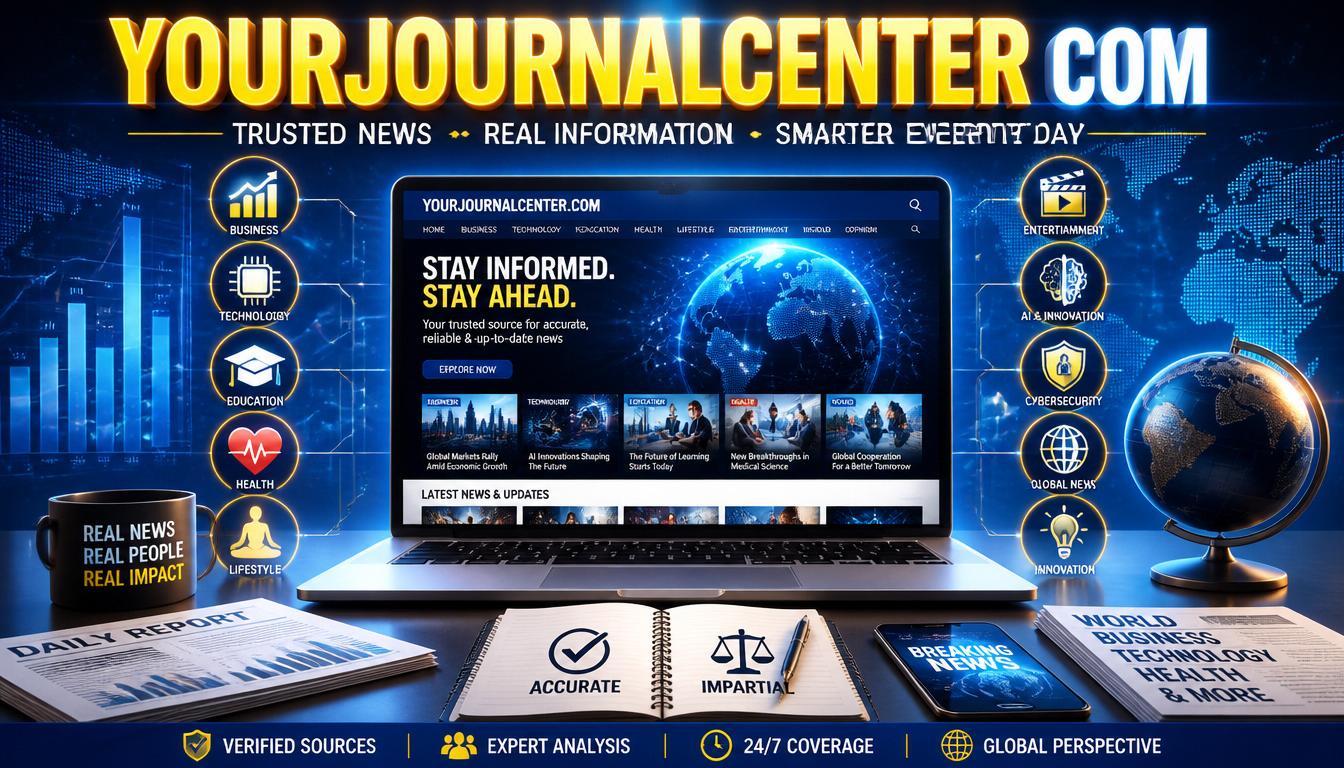
The growing visibility of yourjournalcenter com reflects increasing interest in reader-focused digital publishing. Rather than concentrating on a single niche, the platform presents information across multiple categories that appeal to diverse audiences.
A Wide Variety of Topics
Readers often appreciate websites that cover several subject areas under one digital roof. Business developments, technology updates, educational resources, health information, lifestyle content, entertainment news, innovation, and global affairs all attract different types of visitors. Offering diverse categories allows readers to discover related topics without leaving the website.
This broad approach also supports lifelong learning. Someone visiting for technology news may later become interested in entrepreneurship, productivity, or educational content. As a result, readers gain exposure to ideas they may not have originally searched for.
Reader-Friendly Writing Style
One noticeable characteristic of successful information platforms is readability. Articles written in plain English help both beginners and experienced readers understand important concepts without unnecessary confusion.
Furthermore, shorter paragraphs, descriptive headings, and logical organization improve the overall reading experience. When information flows naturally from one section to another, readers remain engaged from beginning to end.
Commitment to Informative Content
Educational value remains one of the strongest qualities readers seek today. Instead of publishing articles solely to attract clicks, many respected digital publications prioritize explanations that remain useful long after publication.
Timeless content continues generating value because readers can return whenever they need guidance or background knowledge. This approach also contributes to stronger long-term credibility.
Understanding Editorial Standards and Trust
Trustworthy publications rarely achieve their reputation overnight. Instead, credibility develops through consistent editorial practices that emphasize responsibility, transparency, and accuracy.
Professional editorial processes generally begin with topic selection based on reader interest and public relevance. Writers then conduct research using dependable sources before preparing content that balances clarity with factual accuracy.
Editors play an equally important role. They review articles for grammar, structure, factual consistency, and readability before publication. This additional review helps reduce errors while improving overall quality.
Transparency also strengthens reader confidence. Publications often explain their mission, editorial values, contact information, and legal policies. These details demonstrate accountability and show that the organization stands behind its published content.
Furthermore, responsible publications clearly distinguish factual reporting from opinion pieces whenever necessary. Readers appreciate knowing whether they are reading objective information or personal analysis.
Topics That Modern Readers Frequently Explore
People visit informational websites for many different reasons. Some need help understanding current events, while others want educational resources or practical advice.
Business coverage often attracts entrepreneurs, startup founders, students, investors, and professionals seeking market developments. Articles discussing leadership, innovation, finance, and workplace trends continue to receive significant attention.
Technology remains another rapidly growing category. Artificial intelligence, cybersecurity, software development, cloud computing, digital privacy, and consumer technology generate ongoing interest because these fields evolve constantly.
Health-related content appeals to readers looking for wellness guidance, medical research summaries, healthy habits, and public health updates. However, responsible publications remind readers that educational articles should never replace advice from qualified healthcare professionals.
Education also remains essential. Students, teachers, and professionals frequently search for learning strategies, career guidance, skill development, and continuing education opportunities.
Lifestyle content expands the audience even further by covering productivity, travel, relationships, culture, personal growth, and everyday living. These practical topics help readers apply useful knowledge to daily life.
Why Google Values High-Quality Informational Content
Search engines have evolved dramatically over recent years. Ranking well is no longer about repeating keywords throughout an article. Instead, search systems evaluate whether content genuinely helps readers answer their questions.
Google’s quality principles emphasize Experience, Expertise, Authoritativeness, and Trustworthiness, commonly known as E-E-A-T. These principles encourage publishers to create content that demonstrates genuine knowledge while maintaining factual accuracy.
Furthermore, comprehensive articles generally perform better because they address multiple aspects of a topic instead of offering incomplete explanations. Readers appreciate resources that answer follow-up questions within the same article.
Originality also matters. Websites that contribute unique insights rather than copying existing information provide greater value to both readers and search engines.
Finally, user experience influences long-term success. Clear formatting, logical headings, readable paragraphs, and fast-loading pages all contribute to better engagement and higher reader satisfaction.
Expert Insight: “Credibility is earned through consistent accuracy, transparent editorial practices, and content that genuinely helps readers make informed decisions.”
How Responsible Digital Publications Build Reader Confidence
Building trust is not something that happens after publishing only a few articles. It requires continuous effort, careful editing, and a genuine commitment to serving readers. Every successful online publication understands that credibility is earned over time through consistent quality rather than quick results.
One important factor is factual accuracy. Writers should verify information before publication and update articles whenever important developments occur. Furthermore, reliable publications avoid making exaggerated claims simply to attract attention. Readers are more likely to return when they know they can depend on the information they find.
Transparency also plays a major role. Professional websites often include pages explaining their editorial mission, privacy practices, terms of use, and contact information. These pages demonstrate accountability and help readers understand how the publication operates. Clear communication creates stronger relationships between publishers and their audiences.
Another key element is editorial independence. High-quality publications separate factual reporting from promotional content whenever possible. This approach allows readers to distinguish objective information from sponsored material, increasing confidence in the publication’s integrity.
The Future of YourJournalCenter Com
As digital publishing continues to evolve, platforms such as yourjournalcenter com have opportunities to expand both their content and their audience. Readers increasingly expect websites to provide accurate reporting, educational resources, and balanced perspectives across multiple subject areas.
Artificial intelligence, interactive media, and improved search technologies will continue changing how people discover information. However, the need for trustworthy journalism and thoughtful analysis will remain constant. Publications that invest in quality writing, careful editing, and reader-focused experiences are likely to remain valuable regardless of technological change.
Furthermore, audiences now appreciate content that explains complicated topics in simple language. Instead of overwhelming readers with technical terminology, successful publications make knowledge accessible to everyone. This approach supports students, professionals, entrepreneurs, and lifelong learners alike.
As expectations continue rising, digital publications must also improve accessibility, update existing articles, and respond to changing reader interests. These ongoing improvements strengthen long-term credibility and encourage returning visitors.
Practical Tips for Evaluating Any Information Website
Not every website offers the same level of quality. Therefore, readers should develop good habits when evaluating online information.
Look for clear information about the publication and its editorial policies. Reliable websites normally explain who they are and what they aim to achieve. Checking whether contact information is available can also provide additional confidence.
Pay attention to writing quality. Well-structured articles with logical organization often indicate stronger editorial standards. Furthermore, trustworthy publications usually avoid sensational headlines that promise unrealistic results.
Consider whether sources are referenced appropriately. Information supported by respected organizations, academic research, government agencies, or recognized experts generally carries greater credibility than unsupported opinions.
Finally, compare information across multiple reliable sources when researching important decisions involving health, finance, education, or legal matters. Cross-checking information reduces the risk of relying on inaccurate or outdated content.
Why Reader Experience Matters
Modern readers value websites that are easy to navigate and pleasant to read. A clean design, descriptive headings, and organized categories help visitors quickly locate the information they need.
Page speed is another important factor. Slow-loading websites can frustrate users and increase bounce rates. Therefore, many successful publishers optimize images, improve technical performance, and simplify navigation.
Mobile accessibility has also become essential because millions of people now read articles on smartphones. Responsive layouts, readable fonts, and properly spaced paragraphs create a better experience across different devices.
Additionally, articles that answer common reader questions within the same page often encourage longer engagement. Instead of searching elsewhere, visitors can continue learning without interruption.
How YourJournalCenter Com Fits Into Today’s Information Landscape
The internet contains an enormous amount of information, yet finding dependable content remains challenging. yourjournalcenter com represents the type of publication that aims to organize knowledge into accessible articles covering business, technology, education, health, lifestyle, entertainment, innovation, and global developments.
Its emphasis on informative content, editorial transparency, and reader-focused writing reflects broader trends in digital publishing. Readers increasingly seek websites that explain topics clearly while maintaining responsible reporting standards.
Furthermore, publications that consistently improve their content, update information, and respond to changing reader needs are better positioned to build long-term trust. Success in digital publishing is no longer measured only by traffic numbers but also by reader satisfaction and credibility.
As online information continues expanding, platforms committed to quality journalism and educational value can play an important role in helping people make informed decisions.
Conclusion
Finding trustworthy online information has never been more important. Every day, readers encounter countless articles competing for their attention, making careful evaluation essential. Platforms that prioritize accuracy, transparency, and educational value provide a stronger foundation for informed learning.
Throughout this article, we explored how yourjournalcenter com reflects many characteristics associated with responsible digital publishing. From covering diverse subject areas to emphasizing readability and editorial responsibility, the platform seeks to provide meaningful resources for a broad audience.
However, readers should always approach any online information with critical thinking. Comparing sources, verifying important facts, and consulting qualified professionals for specialized advice remain important habits.
Ultimately, the future of digital publishing belongs to platforms that place readers first. Publications that consistently deliver reliable information, maintain high editorial standards, and adapt to changing technologies will continue earning the trust of audiences worldwide.
Frequently Asked Questions
1. What is yourjournalcenter com?
yourjournalcenter com is an online digital publication that focuses on delivering informative content across topics such as business, technology, education, health, lifestyle, entertainment, and world affairs.
2. Is the information suitable for educational purposes?
The platform aims to provide educational and informational content. However, readers should verify critical information using additional authoritative sources when making important decisions.
3. What topics does the website cover?
It covers business, technology, innovation, health, education, lifestyle, entertainment, personal development, entrepreneurship, and global trends.
4. Why is editorial transparency important?
Editorial transparency helps readers understand how content is created, reviewed, and maintained, increasing confidence in the accuracy and reliability of published information.
5. How can readers determine if an online publication is trustworthy?
Readers should review editorial policies, check contact information, evaluate writing quality, verify cited sources, and compare important information with reputable organizations before relying on it.