
Table of Contents
Acne can be one of the most annoying problems for college students. Between long classes, late-night studying, stress, lack of sleep, and busy schedules, it is common to see more breakouts appear. Many students spend hours looking for skincare products that can help clear their skin without causing more problems.
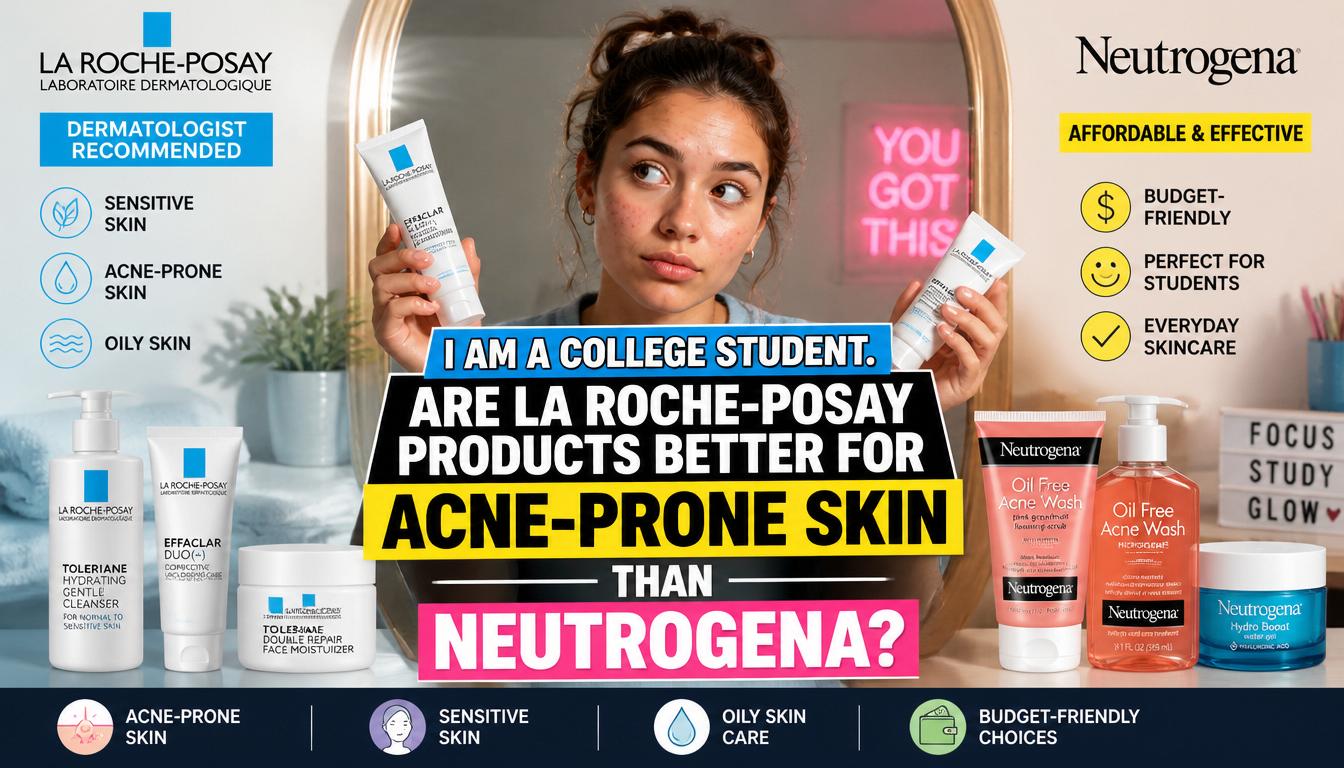
Two brands that often come up in acne skincare discussions are La Roche-Posay and Neutrogena. Both brands are popular, trusted, and widely used by people with acne-prone skin. However, many students still ask the same question: I am a college student. Are La Roche-Posay products better for acne-prone skin than Neutrogena?
The short answer is that it depends on your skin type, budget, and skincare goals. While both brands can help with acne, they work in slightly different ways. Understanding those differences can help you choose the right products and avoid wasting money on items that may not suit your skin.
In this guide, we will compare both brands in detail, explain their strengths and weaknesses, and help you decide which option may be best for your acne-prone skin.
Why Acne Is So Common Among College Students
College life can be exciting, but it can also be stressful. Many students experience changes in their daily habits that can affect their skin. When stress levels increase, the body may produce more hormones that trigger extra oil production. This extra oil can clog pores and lead to breakouts.
Sleep is another important factor. Students often stay up late studying, working part-time jobs, or spending time with friends. Poor sleep may affect skin recovery and make acne appear worse. Even a few nights of bad sleep can leave skin looking irritated and unhealthy.
Diet can also play a role. Many college students rely on quick meals, snacks, sugary drinks, and cafeteria food. While food is not always the direct cause of acne, unhealthy eating habits may contribute to skin problems in some people. Drinking less water and consuming more processed foods may also affect overall skin health.
Another issue is inconsistent skincare. Some students wash their face too often, while others skip skincare completely during busy weeks. Both habits can create problems. A simple and consistent routine is often much more effective than using many different products. This is one reason why choosing the right skincare brand is important for students who want clear and healthy skin.
Understanding La Roche-Posay and Its Approach to Acne Care
La Roche-Posay is a skincare brand known for creating products that are gentle on the skin. Many dermatologists recommend the brand because it focuses on supporting the skin barrier while treating common concerns like acne, redness, and sensitivity.
One of the biggest strengths of La Roche-Posay is its focus on sensitive skin. Many acne treatments can be harsh and drying. However, La Roche-Posay often combines acne-fighting ingredients with soothing ingredients that help reduce irritation. This makes the products easier to use for long periods.
The brand uses ingredients such as salicylic acid, niacinamide, and benzoyl peroxide in some of its acne-focused products. These ingredients help unclog pores, reduce excess oil, calm redness, and prevent future breakouts. Many products are also non-comedogenic, which means they are designed not to block pores.
An expert-style insight often shared by skincare professionals is that treating acne is not only about removing pimples. Healthy skin barriers are also important. When the skin barrier becomes damaged, irritation increases and breakouts can become harder to control. This is one reason why many people with sensitive acne-prone skin prefer La Roche-Posay. The brand aims to treat acne while helping the skin stay balanced and comfortable.
Understanding Neutrogena and Why Students Like It
Neutrogena is one of the most recognized skincare brands in the world. It is especially popular among teenagers and college students because its products are affordable and easy to find in stores and online.
Many Neutrogena acne products focus on fighting breakouts quickly. The brand offers cleansers, spot treatments, moisturizers, and masks designed for oily and acne-prone skin. Products often contain ingredients such as salicylic acid and benzoyl peroxide, which are commonly used in acne treatment.
One reason students choose Neutrogena is convenience. If you run out of your cleanser, there is a good chance you can find a replacement at a nearby supermarket or pharmacy. This makes it easier to maintain a regular skincare routine without spending a lot of time searching for products.
However, some people find certain Neutrogena acne products stronger than expected. While stronger treatments may help reduce breakouts faster, they can sometimes cause dryness or irritation. This is especially true if someone uses several acne treatments at the same time.
A real-life example can help explain this. Imagine two college students with acne-prone skin. One student has oily skin and wants quick results on a budget. Neutrogena may work very well for that person. Another student has sensitive skin that becomes red easily. That student may have a better experience with gentler products from La Roche-Posay. This shows why personal skin needs matter more than brand popularity alone.
Ingredient Comparison: What Really Helps Acne-Prone Skin?
When comparing skincare brands, ingredients matter more than logos or packaging. The ingredients inside the products are what actually help reduce acne and improve skin health.
Salicylic acid is one of the most common acne-fighting ingredients used by both brands. It works by entering pores and removing excess oil and dead skin cells. This helps reduce blackheads, whiteheads, and clogged pores. Students with oily skin often benefit from products containing this ingredient.
Benzoyl peroxide is another powerful acne treatment found in products from both brands. It helps kill acne-causing bacteria and reduce inflammation. This ingredient is often useful for red and inflamed pimples. However, it can sometimes cause dryness if used too often.
Niacinamide is more commonly associated with La Roche-Posay products. It helps calm irritated skin, reduce redness, and support the skin barrier. This can be especially helpful for students whose acne treatments make their skin feel uncomfortable.
Hyaluronic acid is another ingredient worth mentioning. While it does not directly treat acne, it helps keep the skin hydrated. Proper hydration is important because overly dry skin can become irritated and may produce more oil. Balanced skin often responds better to acne treatment than skin that is overly dry or damaged.
The key lesson is that successful acne treatment usually comes from the right combination of ingredients rather than one single miracle product.
Are La Roche-Posay Products Better for Sensitive Acne-Prone Skin?
For students with sensitive skin, skincare shopping can be difficult. A product may clear acne but leave the skin red, itchy, or uncomfortable. This is where La Roche-Posay often stands out.
Many of the brand’s products are designed specifically for people who experience sensitivity. The formulas often avoid unnecessary irritants and focus on maintaining skin comfort. This approach makes it easier for users to stick with their skincare routine without feeling frustrated.
Sensitive skin often reacts poorly to harsh cleansers or strong treatments. When irritation occurs, some people stop using their acne products completely. As a result, breakouts return. La Roche-Posay tries to solve this problem by creating products that can be used consistently over time.
Neutrogena also offers products for sensitive skin, but some acne-focused formulas may feel stronger. Students with highly reactive skin may need to test products carefully before building a full routine around them.
If your skin frequently becomes red, dry, or irritated after trying acne products, La Roche-Posay may be the safer option. Its focus on skin barrier support gives it a small advantage for sensitive acne-prone skin. Many users report that they can use the products daily without experiencing the same level of dryness that some stronger acne treatments can cause.
Which Brand Works Better for Oily and Acne-Prone Skin?
Oily skin is one of the biggest reasons people struggle with acne. Excess oil can mix with dead skin cells and block pores, leading to breakouts. Students with oily skin often look for products that reduce shine and keep pores clear throughout the day.
Neutrogena has built a strong reputation in this area. Many of its products are specifically designed to target excess oil and prevent clogged pores. Students who deal with shiny skin and frequent breakouts often appreciate the stronger oil-control focus.
La Roche-Posay also performs well for oily skin. However, its approach is slightly different. Instead of only removing oil, the brand tries to balance oil control with skin health. This can help prevent the cycle where aggressive cleansing causes irritation and triggers even more oil production.
For someone with very oily skin and low sensitivity, Neutrogena may provide faster visible improvements. On the other hand, someone who wants long-term skin balance may prefer the gentler approach offered by La Roche-Posay.
Neither brand completely dominates this category. The better choice depends on how your skin responds to acne treatments. Some students achieve excellent results with Neutrogena’s stronger formulas, while others find that La Roche-Posay provides similar results with less irritation. Testing products gradually is often the best way to find out what works for your skin.
Price and Value: Which Brand Is Better for Students?
College students often have limited budgets. Between tuition, books, transportation, and daily expenses, spending a large amount on skincare may not be realistic. This makes price an important factor when choosing acne products.
Neutrogena is usually the more affordable option. Many of its cleansers, treatments, and moisturizers cost less than similar products from La Roche-Posay. Students can often build a complete routine without spending too much money.
La Roche-Posay products generally fall into the mid-range skincare category. While they are more expensive, many users feel the additional cost is worth it because of the gentler formulas and skin barrier support. For people who struggle with irritation, paying slightly more may actually save money by reducing the need to replace products that do not work well.
Price should always be considered alongside effectiveness. A cheaper product that causes irritation may not provide good value. Likewise, an expensive product that sits unused in a drawer is not a smart purchase either.
For students on a very tight budget, Neutrogena often provides excellent value. For students who can spend a little more and need gentler care, La Roche-Posay may offer benefits that justify the higher price. The best value comes from finding products that work consistently for your specific skin type.
Best Choice Based on Your Skin Type and Acne Needs
Sensitive and Dry Acne-Prone Skin
If your skin feels tight, flaky, or irritated after washing your face, La Roche-Posay is often the stronger choice. Its products are designed to support the skin barrier while still helping control breakouts. Außerdem, many formulas include soothing ingredients that help reduce redness.
Students with dry skin should focus on hydration as well as acne treatment. Using harsh products can make skin discomfort worse. Therefore, gentle cleansers and lightweight moisturizers are important parts of the routine.
Oily and Combination Skin
Students with oily skin may benefit from either brand depending on their goals. Neutrogena often provides stronger oil control and may produce faster visible results. However, La Roche-Posay can also work well while maintaining better skin comfort.
If your forehead, nose, and chin become shiny during the day, start with products designed for oil control. However, avoid washing your face excessively because this may increase irritation.
Mild to Moderate Acne
For mild acne, both brands can be effective. Look for products containing:
- Salicylic acid
- Benzoyl peroxide
- Niacinamide
- Lightweight moisturizers
Consistency is usually more important than choosing the most expensive product. Students who follow a simple routine every day often see better results than those who constantly switch products.
Building a Simple Student-Friendly Acne Routine
Morning Routine
A simple morning routine can help protect your skin throughout the day. Begin with a gentle cleanser to remove oil and sweat that built up overnight. Follow with a lightweight moisturizer to keep the skin hydrated.
Finally, apply sunscreen every day. Daher, your skin will be protected from sun damage and dark acne marks may fade more effectively over time.
A basic morning routine may include:
- Gentle cleanser
- Lightweight moisturizer
- Broad-spectrum sunscreen
Night Routine
The evening routine focuses on cleaning the skin and treating acne. Wash your face gently and apply your acne treatment product according to the instructions. Avoid using several strong treatments at once because this may cause irritation.
After treatment, apply a moisturizer to help maintain skin comfort. Schließlich, remember that skincare requires patience. Most acne products need several weeks of regular use before noticeable improvements appear.
Helpful reminders:
- Do not pick pimples
- Avoid over-washing
- Stay consistent
- Get enough sleep
- Drink plenty of water
Small daily habits often make a bigger difference than expensive products.
Conclusion
If you are asking, I am a college student. Are La Roche-Posay products better for acne-prone skin than Neutrogena? the answer depends on your skin type and personal needs. Both brands offer effective acne solutions, but they focus on slightly different goals. La Roche-Posay emphasizes gentle care and skin barrier support, while Neutrogena focuses on affordability and strong acne-fighting ingredients.
For sensitive or easily irritated skin, La Roche-Posay often has the advantage. For students who want effective acne products at a lower price, Neutrogena remains an excellent option. The most important step is choosing products that fit your skin type and using them consistently. Clear skin rarely happens overnight, but a simple routine and patience can lead to noticeable improvements over time.
FAQs
Q: Is La Roche-Posay better than Neutrogena for acne?
A: It can be better for sensitive acne-prone skin, but both brands can be effective.
Q: Which brand is more affordable for students?
A: Neutrogena is generally more budget-friendly.
Q: Can La Roche-Posay help with oily skin?
A: Yes, many of its products are designed for oily and acne-prone skin.
Q: Does Neutrogena work for severe acne?
A: It may help mild to moderate acne, but severe acne often requires professional treatment.
Q: How long do acne products take to work?
A: Most products need several weeks of consistent use before noticeable results appear.
Q: Can I use products from both brands together?
A: Yes, many people successfully combine products from both brands in one routine.